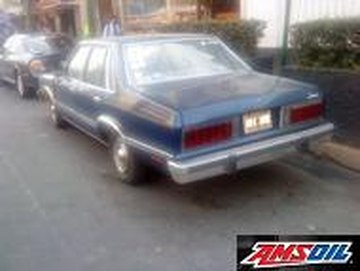
Lubrication Maintenance for the 1982 Ford FAIRMONT 2.3L
Maintaining the mechanical integrity of a vehicle like the 1982 Ford FAIRMONT requires a disciplined approach to routine service. For the 2.3L engine, consistent lubrication management is one of the most effective ways to support long-term operation. While many automotive tasks are periodic, the condition of your engine oil and the cleanliness of the lubrication system should be monitored closely to ensure everything remains in proper working order.
Monitoring Fluid Integrity and Potential Leaks
A primary component of regular maintenance involves visual inspections of the engine bay to identify any signs of fluid loss. For an older vehicle, it is useful to look for evidence of seepage around various sealing surfaces. If you notice dark staining or wetness on the underside of engine components, it may indicate that a gasket or seal is no longer providing a perfect barrier. Such observations should be investigated promptly to prevent significant fluid loss.
When performing these inspections, pay close attention to the area around the oil pan and any visible connection points. Even small amounts of seepage can accumulate over time, potentially leading to lower lubricant levels if left unaddressed. Additionally, checking for signs of contamination in the oil—such as a milky appearance or an unusual odor—can provide insight into the overall health of the engine's internal environment. If the oil appears significantly darker or more viscous than usual between service intervals, it may warrant a closer look at your maintenance frequency.
Observing Operational Warning Signs
Drivers should remain attentive to how the vehicle behaves during operation. While many mechanical issues are not immediately obvious, certain symptoms can serve as early indicators that the lubrication system requires attention. For example, if you notice changes in how the engine sounds during startup or while idling, it is a signal to inspect the fluid levels and condition.
Unusual exhaust characteristics can also be an indicator of internal engine conditions. If you observe smoke that appears dark or discolored, this should be investigated as part of your routine diagnostic process. It is important to remember that these symptoms are not definitive diagnoses; they can be associated with a wide variety of mechanical causes ranging from simple sensor issues to more complex internal matters. Rather than attempting to pinpoint a specific failed component based on a single symptom, use these observations as a prompt to perform a thorough inspection of all relevant fluids and connections.
Managing Maintenance Records for Long-Term Ownership
For owners of a 1982 Ford FAIRMONT, establishing a clear history of service is an invaluable tool. If you have recently acquired the vehicle, your first priority should be to establish a maintenance baseline. This involves performing a comprehensive inspection and documenting the current state of all fluids, filters, and belts. Without a known history of previous repairs or oil changes, this baseline serves as the starting point for all future service decisions.
Keeping detailed records of every oil change, filter replacement, and mechanical repair allows you to track the vehicle's needs over time. These records help distinguish between routine preventive maintenance and necessary repairs prompted by actual wear. For instance, if your documentation shows a consistent pattern of fluid consumption, you can make more informed decisions about addressing potential leaks before they become critical. A well-maintained logbook also provides clarity when deciding which components require attention based on their current condition rather than simply because the vehicle has reached a certain age.
Inspecting Aging Components and Accessories
As vehicles age, various peripheral components undergo natural changes in material properties. During routine service, it is practical to inspect accessible parts that are subject to heat and movement. If equipped, check any drive belts for signs of deterioration such as cracking, glazing, or fraying. Similarly, if the vehicle is equipped with various hoses, inspect them for stiffness, bulging, or surface cracks.
Electrical connections and wiring harnesses should also be examined for signs of brittleness or corrosion. Ensuring that connectors are secure and free from debris helps maintain the reliability of the vehicle's electrical systems. By addressing these smaller components during your regular maintenance routine, you can often prevent more significant issues from arising later. This proactive approach focuses on the current physical condition of the parts, allowing you to prioritize repairs based on actual wear rather than making assumptions about the lifespan of every component.
Prioritizing Service Based on Current Condition
Effective maintenance is not just about following a list; it is about knowing where to focus your efforts. When managing an older engine like the 2.3L, priorities should shift based on what you observe during inspections. If you identify an active leak or notice a change in fluid color, these issues should take precedence over general preventive tasks. Addressing immediate concerns prevents minor issues from escalating into more expensive mechanical repairs.
It is also helpful to distinguish between necessary maintenance and unnecessary parts replacement. Not every aging component requires immediate attention; many can continue to function reliably for long periods if they show no signs of failure. By focusing on components that exhibit actual wear or symptoms, you can manage the upkeep of your FAIRMONT more efficiently. This condition-based approach ensures that your maintenance efforts are always directed where they will provide the most benefit to the vehicle's continued operation.
Practical Guidance for Buying Engine Oil for a 1982 Ford FAIRMONT 2.3L
When it is time to replenish your engine's lubricant, the most important step is to ensure the product you select matches the specific requirements of your engine. To find the correct specification, refer to the application-specific oil viscosity and information provided on this webpage. Do not rely on general automotive knowledge or assumptions based on the vehicle's age to determine which grade to use.
When shopping for products, check the labels carefully to ensure they meet the appropriate quality standards. You may encounter various formulations, including conventional oils, synthetic blends, and full synthetic options. Some high-mileage oil formulations also contain additives intended for use in aging engines, such as seal-conditioning agents. While these can be useful, your primary goal is to match the lubricant to the application information already displayed here. Always verify that the product you are purchasing is compatible with the specific needs of your 2.3L engine before completing your purchase.